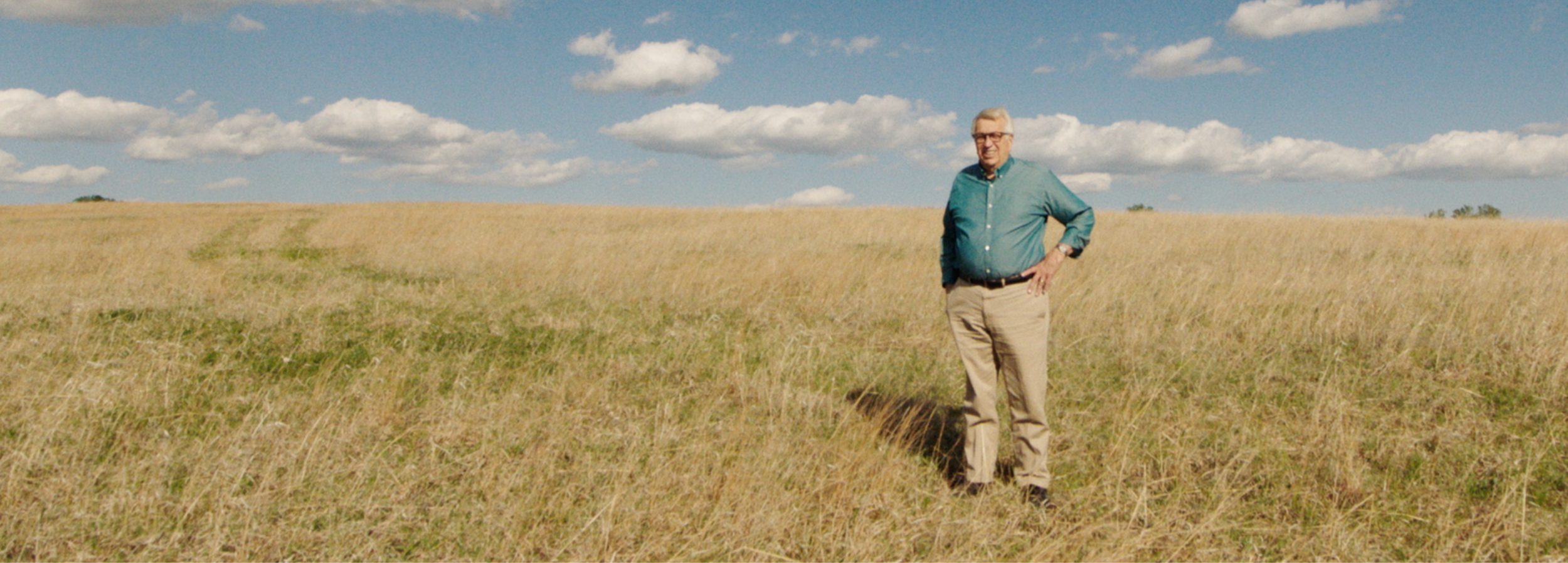
As multiple ecological crises threaten to tip Earth into global systemic collapse, humans are increasingly searching for answers on how to avoid an environmental catastrophe.
Now, more than ever, the world needs to be introduced to Wes Jackson. Wes believes modern humans are a “species out of context.” 10,000 years ago we invented agriculture, changing our relationship with nature and putting us on an endless treadmill of subduing and exploiting natural ecosystems.
In addition to being a scientist and geneticist who has focused on agriculture, Wes is also a philosopher, educator, author, mentor, and organizer. He has spent his life tirelessly seeking solutions through innovative thought and multi-disciplinary approaches, inspiring others to mimic the wisdom inherent in ecosystems and overcome the unprecedented challenges before us. His mission to revolutionize agriculture with replicable scientific practices using “nature as measure,” together with his insights into how and why humans continue to destroy the ecosystems upon which we depend, provides a path forward for those seeking ways to support the Earth’s capacity for self-renewal.

Wes Jackson philosopher, educator, author, mentor, and organizer
Published Work
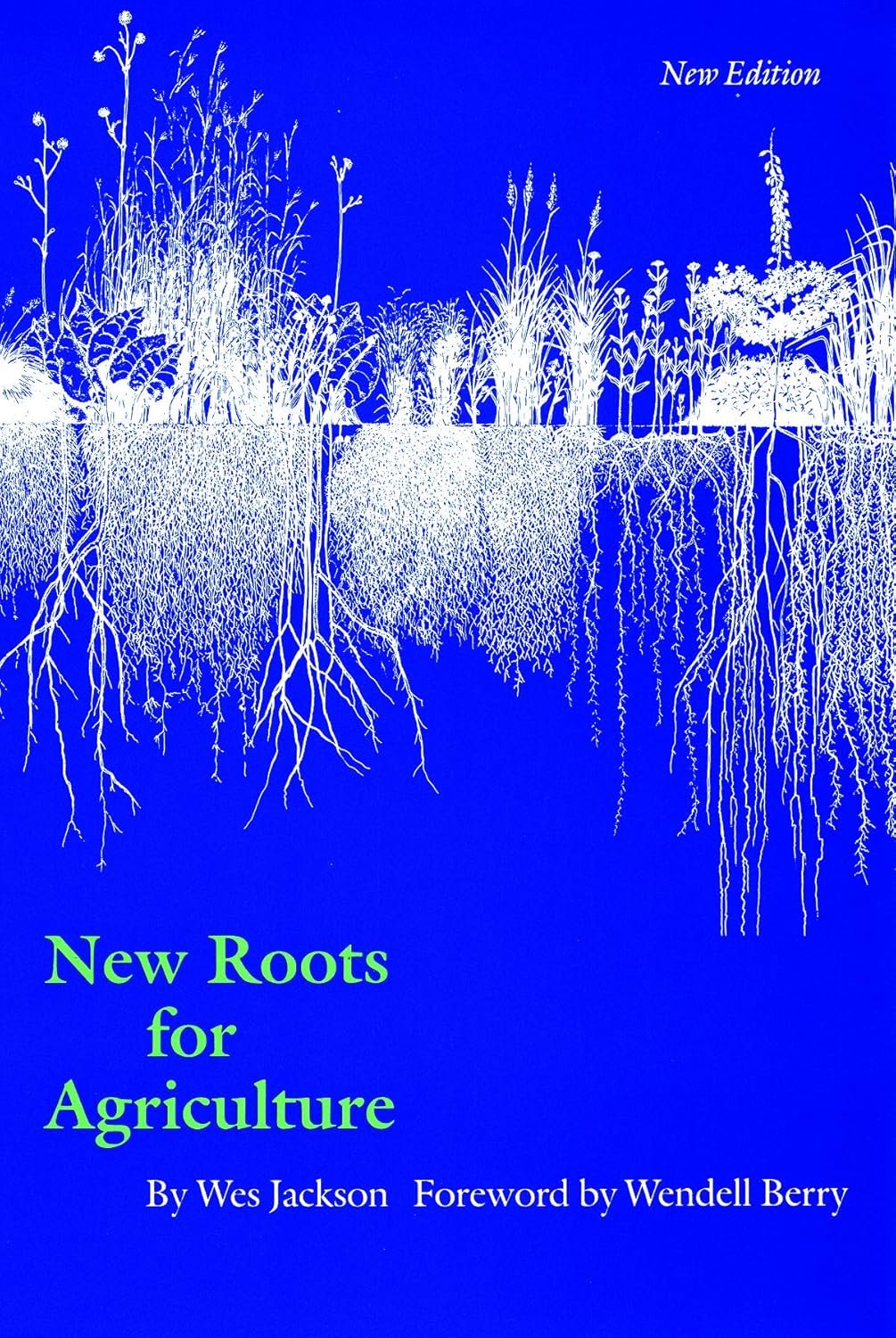
New Roots for Agriculture (1980)
A foundational work proposing a shift from annual monocultures to perennial, nature-based agriculture.
Altars of Unhewn Stone: Science and the Earth (1987)
A philosophical exploration of science, culture, and humanity’s relationship with the natural world.
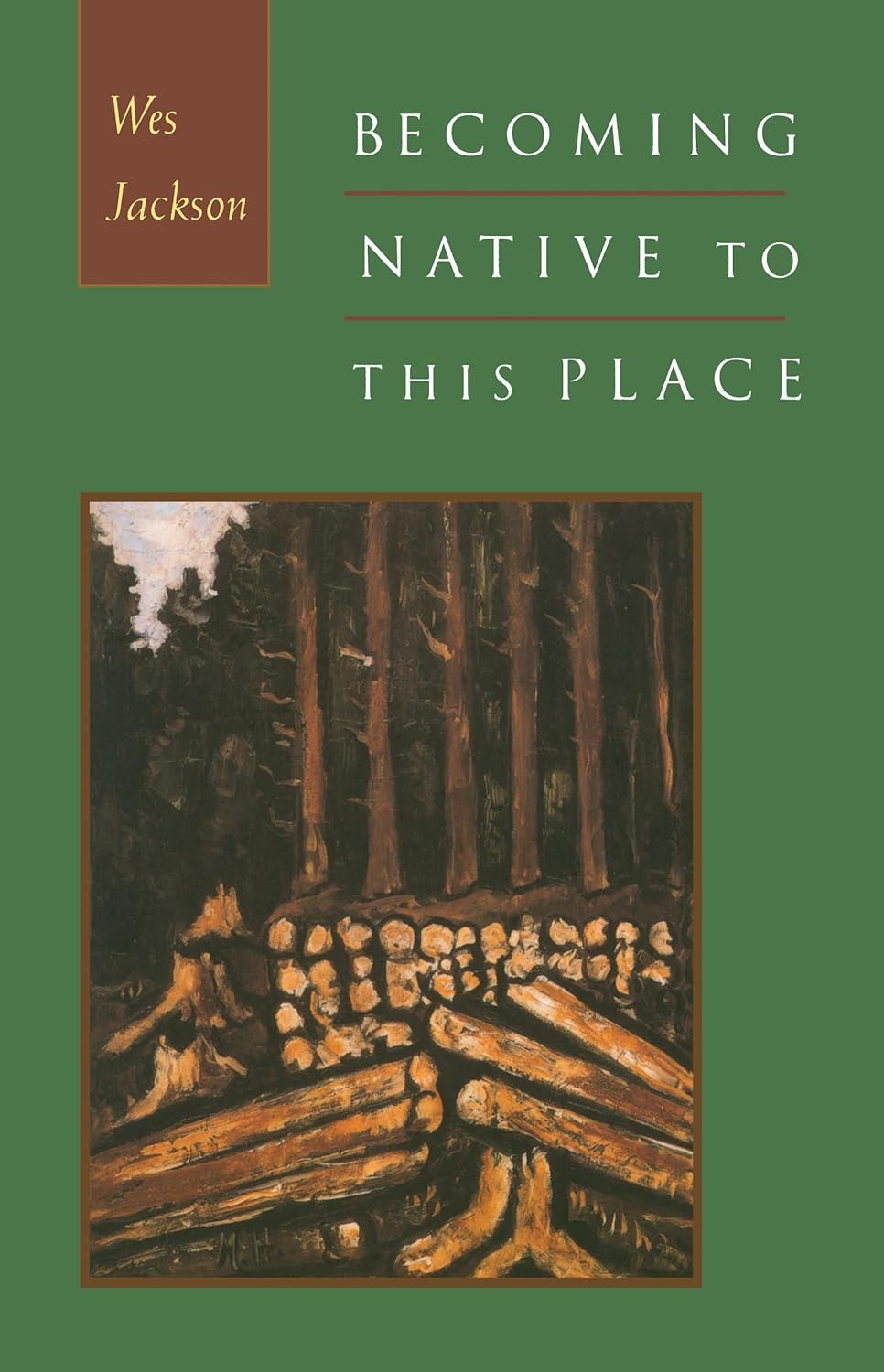
Becoming Native to This Place (1994)
A call for a deep cultural and ecological connection to place as the basis for sustainable living.
Hogs Are Up: Stories of the Land, with Digressions (2010)
A collection of essays and stories blending memoir, rural life, and reflections on land stewardship.
Consulting the Genius of the Place: An Ecological Approach to a New Agriculture (2011)
Expands his vision for agriculture modeled on natural ecosystems, emphasizing local adaptation and resilience.
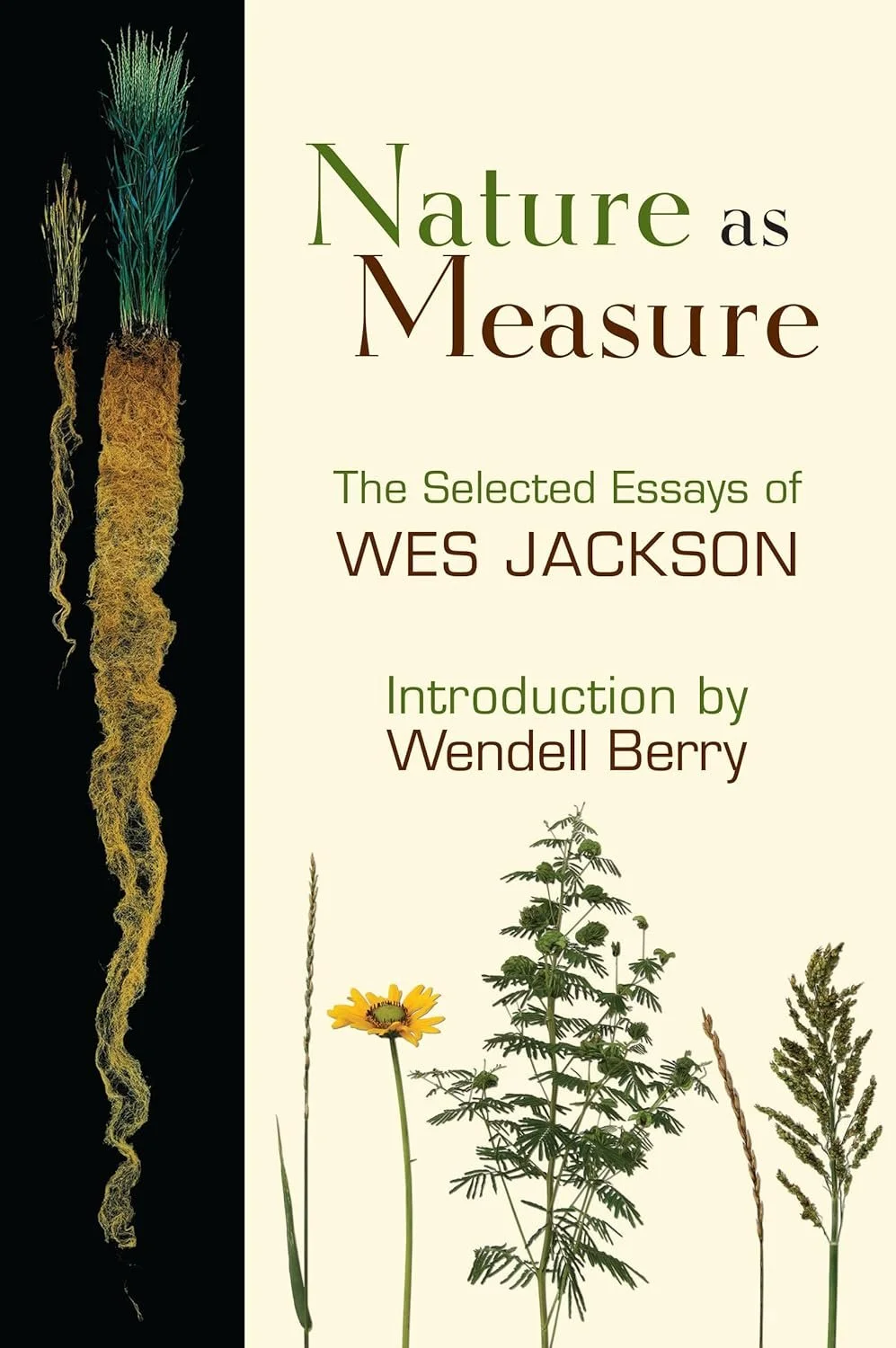
Nature as Measure (2011) (essay/extended work, often published in collections)
Argues that human systems, especially agriculture, should be designed using nature as the ultimate standard.
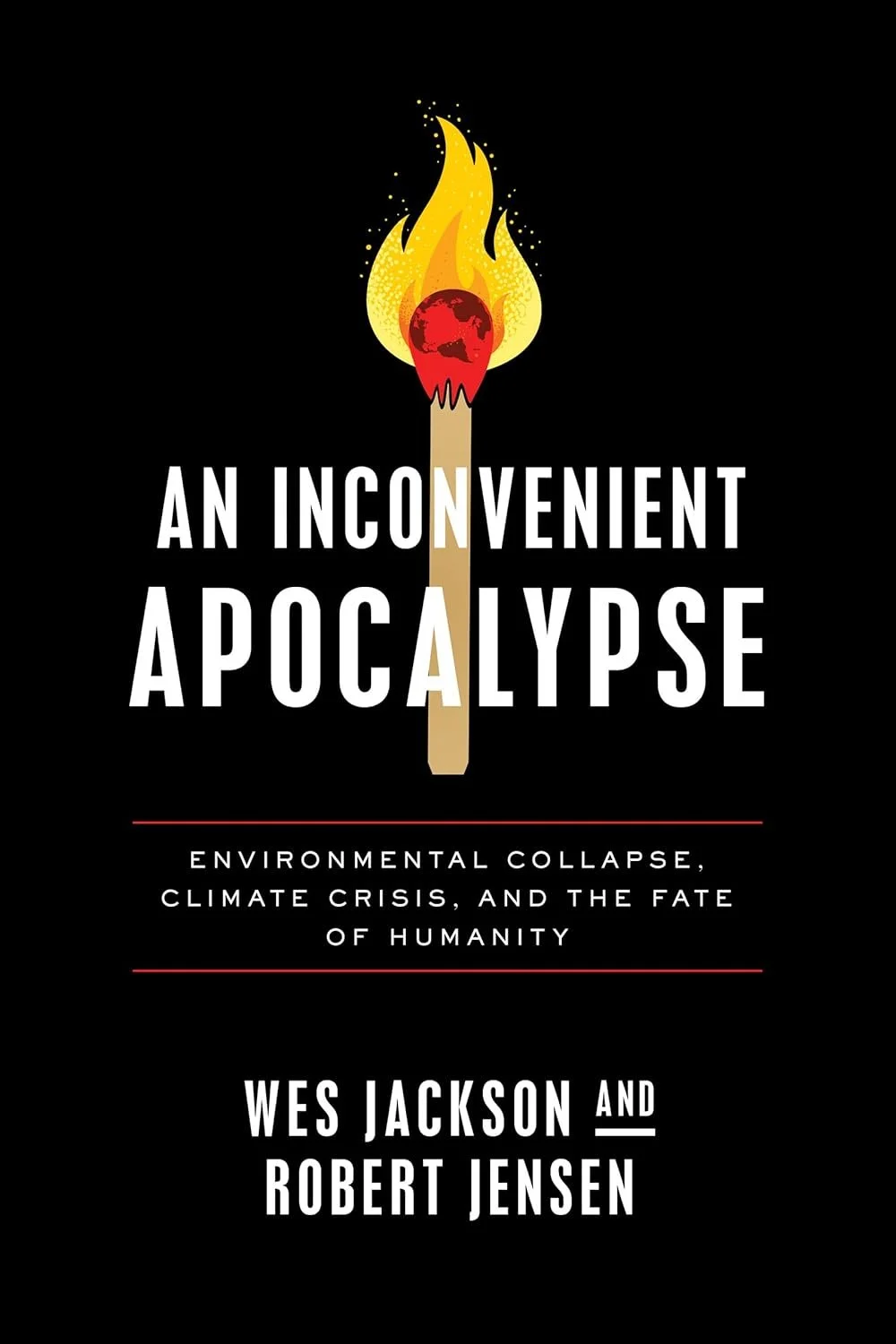
An Inconvenient Apocalypse: Environmental Collapse, Climate Crisis, and the Fate of Humanity (2016)
A sobering but thoughtful reflection on ecological limits, climate change, and humanity’s long-term future.